

Three Reasons Why This Is Not A Housing Crisis
Three Reasons Why This Is Not a Housing Crisis
In times of uncertainty, one of the best things we can do to ease our fears is to educate ourselves with research, facts, and data. Digging into past experiences by reviewing historical trends and understanding the peaks and valleys of what’s come before us is one of the many ways we can confidently evaluate any situation. With concerns of a global recession on everyone’s minds today, it’s important to take an objective look at what has transpired over the years and how the housing market has successfully weathered these storms.
1. The Market Today Is Vastly Different from 2008
We all remember 2008. This is not 2008. Today’s market conditions are far from the time when housing was a key factor that triggered a recession. From easy-to-access mortgages to skyrocketing home price appreciation, a surplus of inventory, excessive equity-tapping, and more – we’re not where we were 12 years ago. None of those factors are in play today. Rest assured, housing is not a catalyst that could spiral us back to that time or place.
According to Danielle Hale, Chief Economist at Realtor.com, if there is a recession:
"It will be different than the Great Recession. Things unraveled pretty quickly, and then the recovery was pretty slow. I would expect this to be milder. There's no dysfunction in the banking system, we don't have many households who are overleveraged with their mortgage payments and are potentially in trouble."
In addition, the Goldman Sachs GDP Forecast released this week indicates that although there is no growth anticipated immediately, gains are forecasted heading into the second half of this year and getting even stronger in early 2021.Both of these expert sources indicate this is a momentary event in time, not a collapse of the financial industry. It is a drop that will rebound quickly, a stark difference to the crash of 2008 that failed to get back to a sense of normal for almost four years. Although it poses plenty of near-term financial challenges, a potential recession this year is not a repeat of the long-term housing market crash we remember all too well.
2. A Recession Does Not Equal a Housing Crisis
Next, take a look at the past five recessions in U.S. history. Home values actually appreciated in three of them. It is true that they sank by almost 20% during the last recession, but as we’ve identified above, 2008 presented different circumstances. In the four previous recessions, home values depreciated only once (by less than 2%). In the other three, residential real estate values increased by 3.5%, 6.1%, and 6.6% (see below):
3. We Can Be Confident About What We Know
Concerns about the global impact COVID-19 will have on the economy are real. And they’re scary, as the health and wellness of our friends, families, and loved ones are high on everyone’s emotional radar.
According to Bloomberg,
“Several economists made clear that the extent of the economic wreckage will depend on factors such as how long the virus lasts, whether governments will loosen fiscal policy enough and can markets avoid freezing up.”
That said, we can be confident that, while we don’t know the exact impact the virus will have on the housing market, we do know that housing isn’t the driver.
The reasons we move – marriage, children, job changes, retirement, etc. – are steadfast parts of life. As noted in a recent piece in the New York Times, “Everyone needs someplace to live.” That won’t change.
Bottom Line
Concerns about a recession are real, but housing isn’t the driver. If you have questions about what it means for your family’s homebuying or selling plans, let’s connect to discuss your needs.
Source: https://bit.ly/394skJ6
My Dedication During COVID-19
I am dedicated to each and every one of my clients' safety and wellbeing. I am watching the current situation closely as it evolves and remain 100% committed to assisting you with your home buying or selling needs. We are adapting our business practices based on the guidance of the CDC and the Colorado Department of Health to ensure your health and safety is our first priority. Attached is a letter from our CEO, Gretchen Rosenberg explaining the steps Kentwood is taking.
I am also making sure to be one step ahead as much as I can be with closings to take the necessary steps to make sure everyone gets the the closing table or remote closing healthy, happy and safely.
I am here for any questions you have and happy to set up a web call so we can be face to face.
I appreciate you all and am here for you if you need anything.
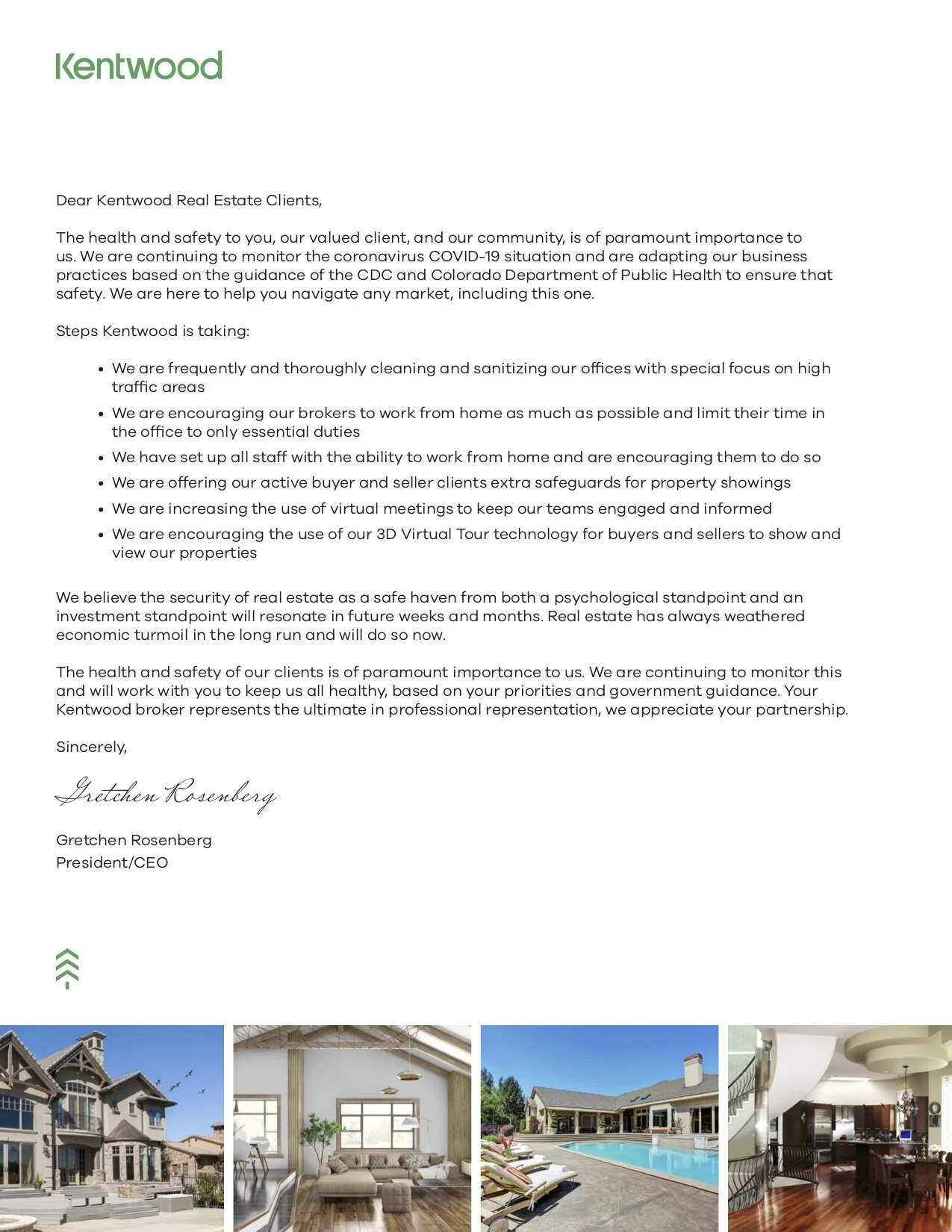
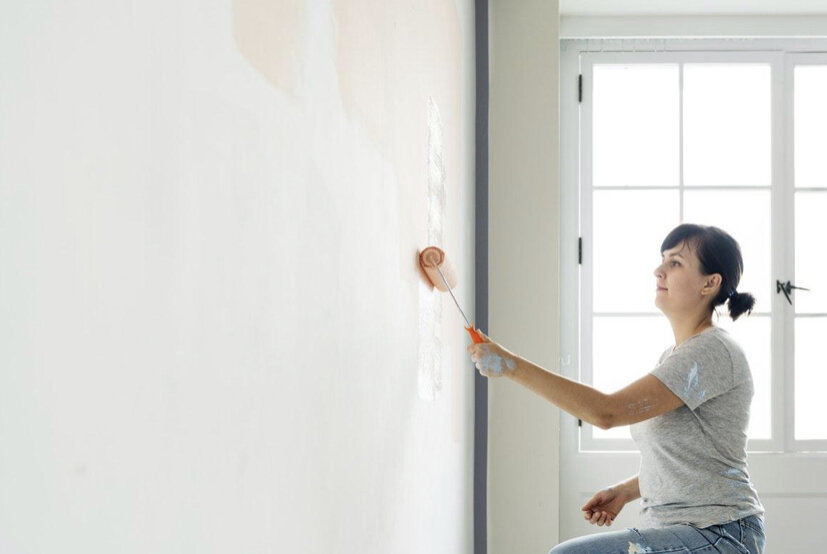
Photo via Rawpixel
3 Reasons Your Home Isn’t Selling (and How to Sell It Faster)
Most homeowners want a quick sale when they decide to put their property on the market. After all, they may be in a hurry to move to their new place — especially if their offer is contingent on selling first. However, there are many reasons why your home might stagnate on the market. Fortunately, there are solutions to any slow-selling home’s problem. Here are three reasons your home may not be selling fast and how to help prompt a quicker sale.
Problem 1: You Have Zero (or Very Little) Curb Appeal
Curb appeal refers to how welcoming and desirable your home looks from the outside. And while what’s on the inside counts, too, you might be missing potential buyers because of unflattering outward appearances. Many elements factor into the curb appeal equation, but a major one is the condition of your fence — or lack thereof.
Many prospective buyers have children or pets — or both — and safety is a priority. Therefore, an attractive and functional fence might be vital to getting your home to sell. Make sure to budget fence installation into your selling prep costs; homeowners pay $2,753 on average to install a wood fence. Your costs can vary based on the size of the yard and the materials used, with lumber averaging $7 to $15 per foot and labor costing $10 to $30 per foot.
Investing in a wood fence can boost your home’s value, but there are other, less costly projects to explore. For example, HGTV recommends quick DIYs like painting the front door, mowing the lawn, washing the windows, and updating light fixtures for better visibility and aesthetics.
Problem 2: The Interior Isn’t Inviting, Either
As noted, the curb is what draws people in. But if the outside of the property makes big promises and the interior fails to deliver, you won’t make a sale. However, it’s particularly challenging to prep for a sale when you’re still living in your home. Clutter naturally builds up, the home looks lived-in, and your personality is everywhere. This is why experts recommend clearing your home of personal items and staging it to look more neutral. Focusing on the major living areas — like the kitchen, living room, and master bedroom — makes the process a bit easier than overhauling the entire house.
One strategy for staging is to begin packing your belongings for the impending move. Paring things down in the main living areas helps a home feel more open, and removing bulky furnishings is a big help, too. If you don’t want to rent a storage unit or fill up the garage, consider moving furniture around to create the illusion of more space.
Problem 3: The Price Just Isn’t Right
Referencing comparable properties when settling on an asking price is a critical part of selling your house. Recently sold properties in your area with similar characteristics give you an idea of the right price, but the key is finding the right comps. For example, your comparison criteria should include things like similar square footage (within a 10 percent difference of your floorplan’s), a comparable number of bedrooms, and a nearly identical lot size.
If you or your real estate agent fails to source the appropriate comps, you could be pricing your home way too high. The worst mistake is to price too high, notes the Balance, because the property will remain stagnant if buyers don’t see its value. One solution to this problem is to boost value by tackling home projects.
For sellers who are really hoping to get more out of their home sale, putting in the work can help. Upgrading flooring, repainting in neutral tones, and replacing light fixtures can all help with perceived value. Bigger upgrades like new appliances can also heighten your profit margin. Enhance the value and get the price right, and you might be moving sooner rather than later.
Dealing with a house that fails to sell is frustrating. But with the right expertise — and a bit of elbow grease — you can complete projects and take steps to get your home buyer-ready. In no time, you’ll be moving out, cashing in, and enjoying life.
Written by: Suzie Wilson A Happier Home
March Real Estate Snapshot
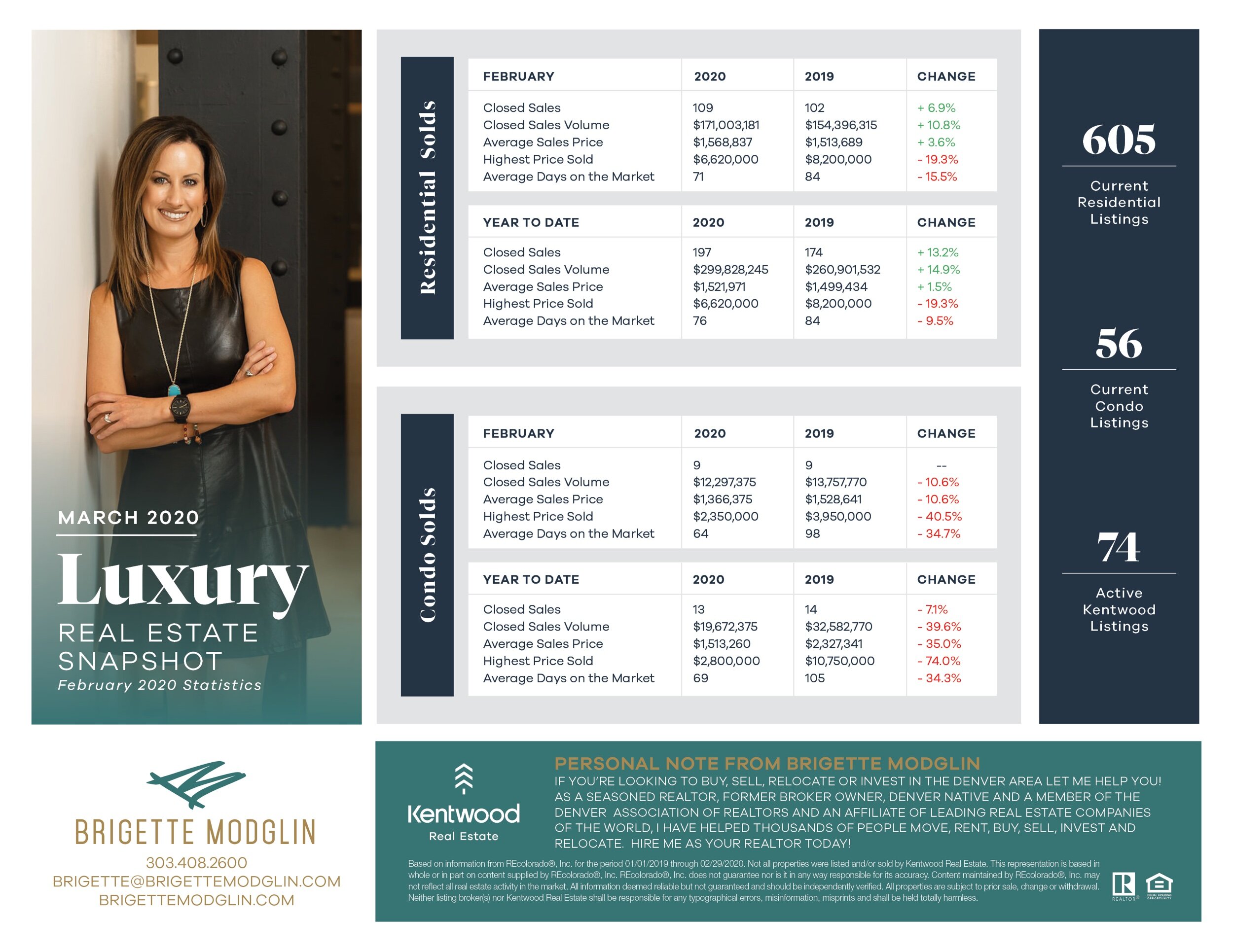
March Real Estate Snapshot
Showcasing February’s Market Transactions